
Star Wars Jedi: Survivor vs. Star Wars Outlaws - A Galactic Showdown in 2026
Star Wars Jedi Survivor vs Star Wars Outlaws delivers a thrilling comparison of visual fidelity and immersive gameplay, captivating every fan.
In the ever-expanding galaxy of Star Wars video games, two recent titles stand out as pillars of the modern era: the critically acclaimed action-adventure Star Wars Jedi: Survivor and the open-world scoundrel simulator Star Wars Outlaws. While both games transport players to a galaxy far, far away, they do so through vastly different lenses—one through the focused, intense journey of a Jedi Knight, the other through the chaotic, opportunistic life of a fledgling outlaw. As of 2026, these experiences represent the high-water mark for narrative and immersive gameplay within the franchise, offering players a choice between wielding the Force or navigating the seedy underbelly of the Outer Rim. Their simultaneous presence has sparked endless debates among fans about which title truly captures the soul of Star Wars.
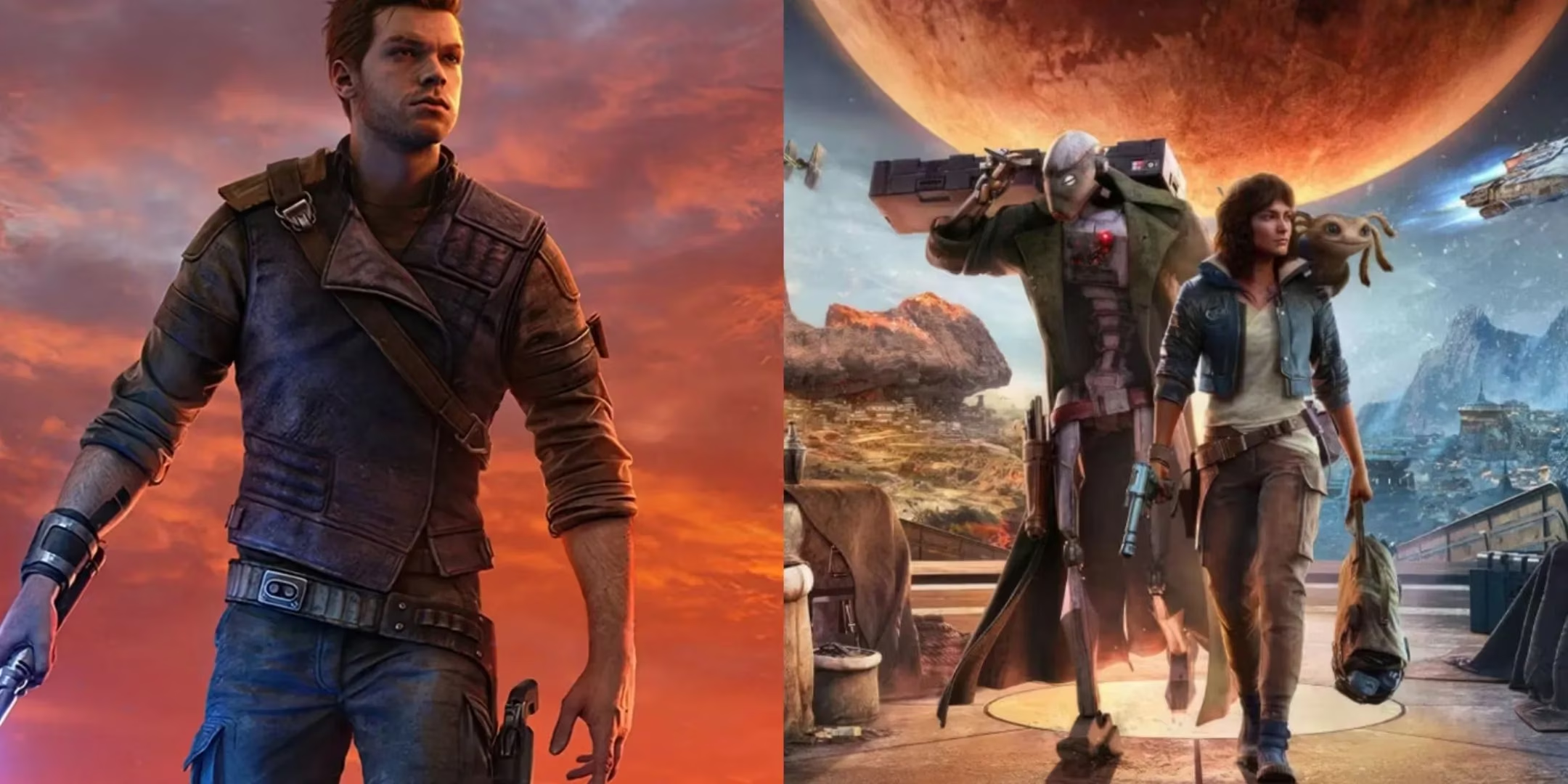
8. Visual Fidelity: A Stunning Tie
From a purely technical standpoint, both games are visual masterpieces. The graphical presentation is a tie, with each title pushing the boundaries of realism and artistic design. Character models, from the weathered determination etched on Cal Kestis's face to the sly, expressive features of Kay Vess, are rendered with breathtaking detail. The alien species populating the worlds feel like living, breathing parts of the ecosystem, not just digital set pieces.
Where both games truly shine is in their environmental design. The planets are not just backdrops; they are characters in their own right.
| Game | Visual Strength | Atmosphere |
|---|---|---|
| Jedi: Survivor | Intricate, vertical level design with dense foliage and ancient ruins. | Somber, mysterious, and imbued with a sense of forgotten history. |
| Star Wars Outlaws | Vast, horizontal open worlds teeming with activity in cantinas and spaceports. | Gritty, lived-in, and buzzing with opportunistic energy. |
You can easily lose yourself for hours simply admiring the view—a planet's surface shimmering like a spilled jewel box under twin suns in Outlaws, or the haunting, overgrown architecture of a lost civilization in Survivor, which feels as intricate and delicate as a fossilized honeycomb.
7. Protagonists: Different Sides of the Galactic Coin
This category is another close call. Cal Kestis, now a veteran of two games, carries the weight of his experiences like a well-worn cloak. Players have grown attached to his journey from a frightened Padawan in hiding to a hardened warrior. Cameron Monaghan's voice performance adds layers of grit and weary resolve.
Kay Vess, the newcomer, has the tougher job of making a first impression. She represents the carefree, shoot-first-ask-questions-later scoundrel archetype, brought to life with charming recklessness by Humberly González. While Cal's path is one of solemn duty, Kay's is a dance with chaos. Their effectiveness isn't in question—both excel in their respective roles—but in terms of established depth, Cal holds a slight edge.
6. Narrative Depth: The Jedi's Burden Wins
Here, Star Wars Jedi: Survivor pulls decisively ahead. Its narrative is a rich tapestry of personal struggle, legacy, and resistance. Side characters like Greez, Cere, and Merrin are fully realized, their stories interwoven with Cal's in meaningful ways. The villains pose genuine threats, and the story's emotional beats land with significant impact.
Star Wars Outlaws, by contrast, tells a fun but safe story. Its plot is the narrative equivalent of a well-executed but predictable hyperspace jump—you know exactly where you'll end up. Key characters and intriguing concepts, like the primary antagonist, are introduced but never fully explored, often gaining depth only as the credits prepare to roll. While enjoyable, it lacks the ambitious, character-driven heft of Survivor's tale.
5. Combat Systems: The Force is With Survivor
The core gameplay loop highlights a fundamental difference. Star Wars Jedi: Survivor’s combat is a dynamic, evolving ballet of light and dark. New Force abilities constantly refresh the player's toolkit, and the multiple lightsaber stances (single, dual-wield, crossguard, blaster) fundamentally change combat dynamics, offering deep strategic choice.
Outlaws' combat is functional and fun but remains largely static. The foundational third-person shooting and stealth mechanics are solid, but they fail to evolve meaningfully. After the first few hours, you've seen most of what Kay can do. Survivor makes you feel like a Jedi Master honing his art; Outlaws makes you feel like a competent gunslinger who has already peaked.
4. Exploration Philosophy: A Matter of Taste
Exploration is a fascinating tie, as both games approach it with different, equally valid philosophies.
-
Jedi: Survivor: Favors intricate, Metroidvania-style level design. Exploration is about mastery of traversal (wall-running, grappling, climbing) to uncover secrets in dense, multi-layered environments. It rewards patience and observation.
-
Star Wars Outlaws: Embraces the classic open-world model. Exploration is about roaming vast, open landscapes and bustling urban hubs, using intel gathered from NPCs to mark points of interest on a map. It rewards curiosity and free-roaming.
One is a precise, guided treasure hunt; the other is an open-ended safari. Your preference will depend on whether you enjoy unraveling a complex knot or surveying a wide-open plain.
3. Customization: Fashion of the Force
Star Wars Jedi: Survivor is the clear winner in letting players define their look. It offers an astonishing array of cosmetic options for Cal:
-
Multiple poncho, jacket, and shirt designs
-
Various pants and boot styles
-
Different hairstyles and beard options
-
Extensive customization for the droid BD-1
Critically, these choices are purely cosmetic, allowing for true fashion freedom without compromising stats. Outlaws ties gear to gameplay stats, which, while offering tangible rewards, limits pure aesthetic expression. Kay's options feel more utilitarian in comparison, and her companion Nix has fewer customization options than the beloved BD-1.
2. Side Content: The Outlaw's Playground
In a reversal, Star Wars Outlaws takes the lead in side content. While Survivor's side quests often have stronger narrative ties, Outlaws excels in volume, variety, and tangible reward structures.
Almost every side activity—be it a heist, a smuggling run, or a bounty—rewards the player with more than just credits or a cosmetic item. Rewards often include:
-
New weapon modules and upgrades
-
Ship modifications
-
Access to expert contacts who unlock new abilities
-
Reputation boosts with major syndicates
This creates a compelling gameplay loop where side activities feel directly tied to Kay's progression and power fantasy as an up-and-coming criminal, making the galaxy feel like a giant, interconnected board game of opportunities.
1. The Galactic Verdict
So, which game reigns supreme in 2026? The winner is Star Wars Jedi: Survivor.
This conclusion isn't a dismissal of Star Wars Outlaws, which is a thoroughly enjoyable game that successfully carves out its own niche. It's a competent speeder bike ride through the Star Wars underworld. However, Survivor achieves something more profound. It doesn't just let you play a Jedi; it makes you feel like one, with all the weight, power, and responsibility that entails. Its combat is deeper, its narrative more impactful, and its world-building more meticulous.
Outlaws, for all its fun, feels like a promising first draft of a greater idea—a sleek new starship that never quite leaves the hangar bay. Jedi: Survivor, on the other hand, feels like a completed masterpiece, a lightsaber crystal perfectly aligned and humming with power. For the definitive, top-tier Star Wars experience that resonates long after the controller is set down, the Force is undeniably stronger with Cal Kestis's journey.
Whether you lean toward the disciplined dueling of a Jedi or the scrappy improvisation of an outlaw, the best way to settle the debate is to spend time in both galaxies—or to branch out into other action-adventure titles that borrow from their strengths. That’s where a deal-focused resource can make the next pick easier.
Lootbar is a handy destination for checking out gaming offers and related finds before committing to a new purchase. If you’re building a backlog around either style of Star Wars adventure, browse the latest options through DealNest to see what’s worth adding to your rotation.
Leave a Comment
Comments