
Star Wars Jedi: How Hostile Fauna and Imperial Forces Interact Creates a Living Galaxy
Explore the immersive galaxy of the *Star Wars Jedi* series, where the dynamic wildlife encounters and emergent gameplay transform hostile planets into living ecosystems.
The galaxy of the Star Wars Jedi series is not a sterile battlefield reserved solely for the clash between lightsabers and blaster fire. Since the events of Star Wars Jedi: Fallen Order and continuing through Star Wars Jedi: Survivor, protagonist Cal Kestis has navigated worlds where the conflict between the Galactic Empire and the Jedi is often complicated, and sometimes preempted, by the planets' own indigenous and often hostile wildlife. This deliberate design choice by developer Respawn Entertainment has been a profound throughline, transforming each location from a mere backdrop for combat into a living, breathing ecosystem with its own ongoing dramas. The immersion is greatest not when Cal is the sole actor, but when he stumbles upon scenes already in motion—stormtroopers desperately fending off packs of ravenous creatures, or local fauna turning the tables on would-be oppressors.
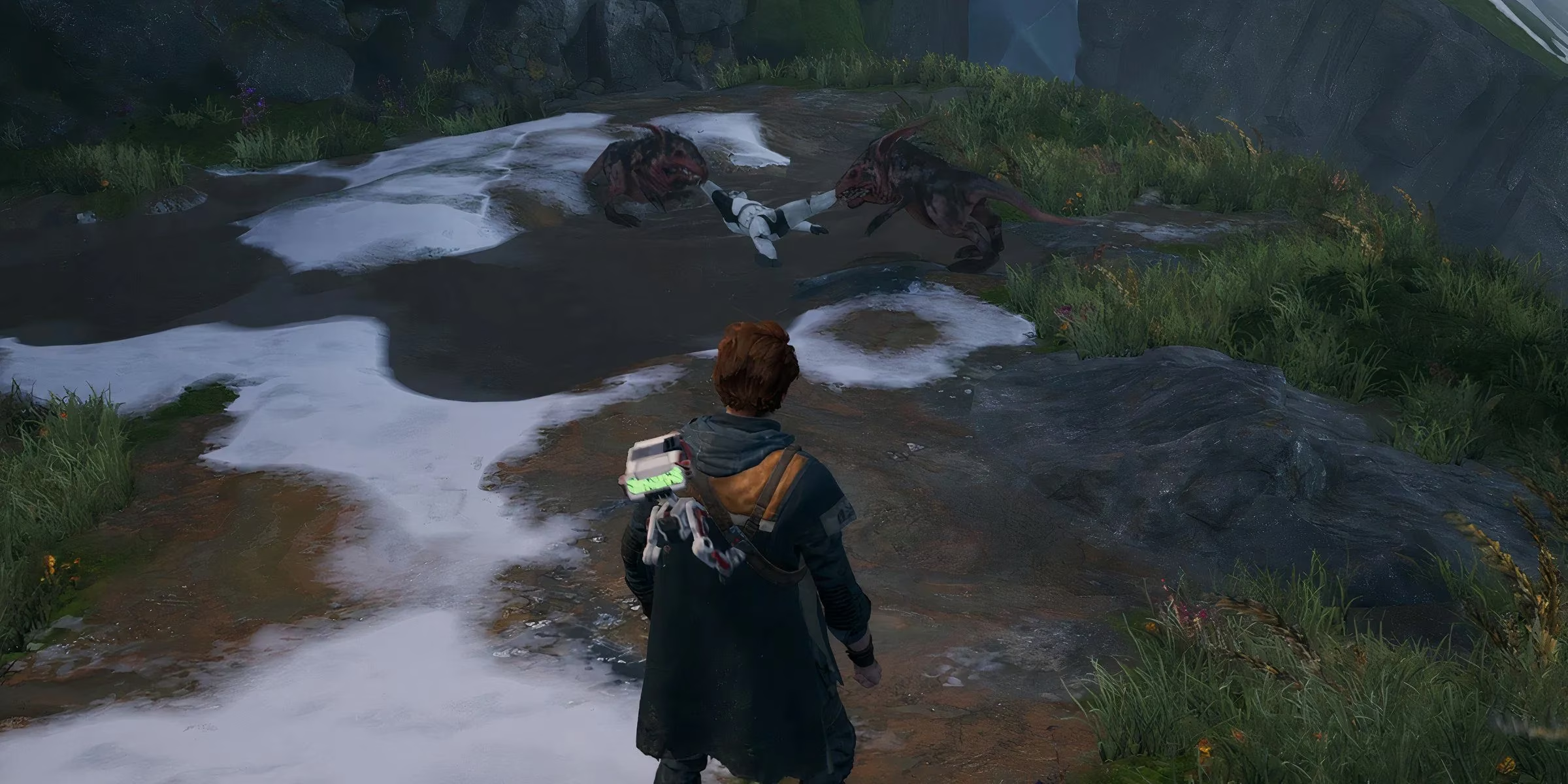
This dynamic was established powerfully in Fallen Order. Planets like Kashyyyk and Zeffo were teeming with hostile fauna, and it was a common, often hysterical, sight to find Imperial patrols already entrenched in a struggle for survival. Players would round a corner to discover scazz packs tearing stormtroopers limb from limb or emerging suddenly from holes in the ground to ambush unsuspecting squads. These encounters served a dual purpose: they made the galaxy feel authentically wild and dangerous beyond the Empire's control, and they presented Cal with a tactical dilemma. Would he let nature take its course, or jump into the fray, now having to contend with enraged creatures once they'd finished with the Imps?
The brilliance of this system lies in the emergent gameplay and world-building it fosters. Enemies don't exist in vacuums; they share the space and interact. A player can cleverly lure a purge trooper into a nest of scazz rats, then watch as the fauna mobs the elite soldier, allowing Cal to handle the weakened victor. This creates a believable sense that these planets have their own ongoings at any given moment. The NPCs aren't simply waiting in a dormant state for the player to activate them; they are living entities within a simulated food chain and conflict web. It makes the galaxy feel less like a series of enclosed arenas and more like a coherent, interconnected world.
Star Wars Jedi: Survivor continued this tradition, albeit with a slightly different focus due to its narrative and setting. While the sequel featured more urban or sterile environments like Coruscant, the Shattered Moon, and Nova Garon—where wildlife is absent—it doubled down on the concept in its two expansive open-zone maps: Koboh and Jedha.
-
Koboh's Rugged Wilderness: This frontier planet is home to formidable creatures like the charging goroccos and the pesky mogus. Here, the primary human antagonists are the Bedlam Raiders and the Haxion Brood, and it's thrilling to see these groups clash with the local wildlife just as the Empire did in the previous game.
-
Jedha's Desert Dangers: The holy moon features its own unique threats, such as the subterranean sutabans and the predatory skritons. These creatures add a layer of constant environmental hazard for both Cal and any Raiders or Stormtroopers operating in the dunes.
While direct Imperial-fauna interactions are less frequent in Survivor compared to the Empire-heavy Fallen Order, the principle remains intact: the ecosystem is an active participant. The hostile fauna ensures that even areas not directly occupied by the Empire feel perilous and alive. Furthermore, the poignant subplot involving the creatures imprisoned on the Ordo Eris highlights the galaxy's broader exploitation of its fauna, suggesting this theme is a core ethical concern of the series.
Looking ahead to the inevitable third installment in the series, this interplay between fauna and faction is expected to be a cornerstone once more. The precedent is set for a living galaxy. The key for Respawn will be in the careful selection of explorable planets to best showcase diverse and vicious flora and fauna. Imagine a swamp world where amphibious predators drag raiders beneath the murk, or an arboreal jungle where territorial avians dive-bomb passing patrols. The potential for new, dynamic ecosystems is vast.
Ultimately, the Star Wars Jedi games have mastered a subtle but impactful form of environmental storytelling. By populating their worlds with creatures that have their own agendas and animosities, they achieve a remarkable feat: the galaxy feels authentically lived-in and dangerous, independent of the Jedi's journey. The storms of war rage, but on many worlds, the storms of nature rage just as fiercely, creating a richer, more immersive, and believably untamed Star Wars experience.
For players who find themselves drawn to these meticulously crafted ecosystems, the experience doesn't have to end when the credits roll. Exploring the deeper lore, tracking down every creature database entry, or hunting for the best deals on the games themselves can become its own kind of expedition. Communities and platforms built around gaming often serve as useful companions on that journey, offering everything from guides to gear without pulling you out of the worlds you love.
If you're looking to expand your collection or pick up the titles that started this fascination with living, breathing game worlds, DealNest is worth keeping on your radar. Much like the ecosystems in these games, a good resource rewards exploration—and sometimes the best discoveries come from simply wandering off the beaten path.
Leave a Comment
Comments