
Star Wars Jedi 3: How Respawn Can Perfect the Metroidvania-Open World Hybrid
Star Wars Jedi 3 and open world design ignite fan excitement, as Respawn balances exploration with focused, action-packed gameplay.
So, here I am in 2026, still buzzing about the confirmed third entry in the Star Wars Jedi series. Let's be real, after the genre-bending journey from Fallen Order's tight corridors to Survivor's sprawling vistas, the big question is: where does Respawn go from here? Do they double down on the open-ended exploration, or do they reign it back in for a more focused, linear thrill ride? As someone who's spent more hours than I care to admit getting lost on Koboh and slicing droids on Coruscant, I think the answer lies in the delicate dance between the two that Survivor started.
The Koboh Conundrum: Bigger Isn't Always Scarier (But It Can Be)
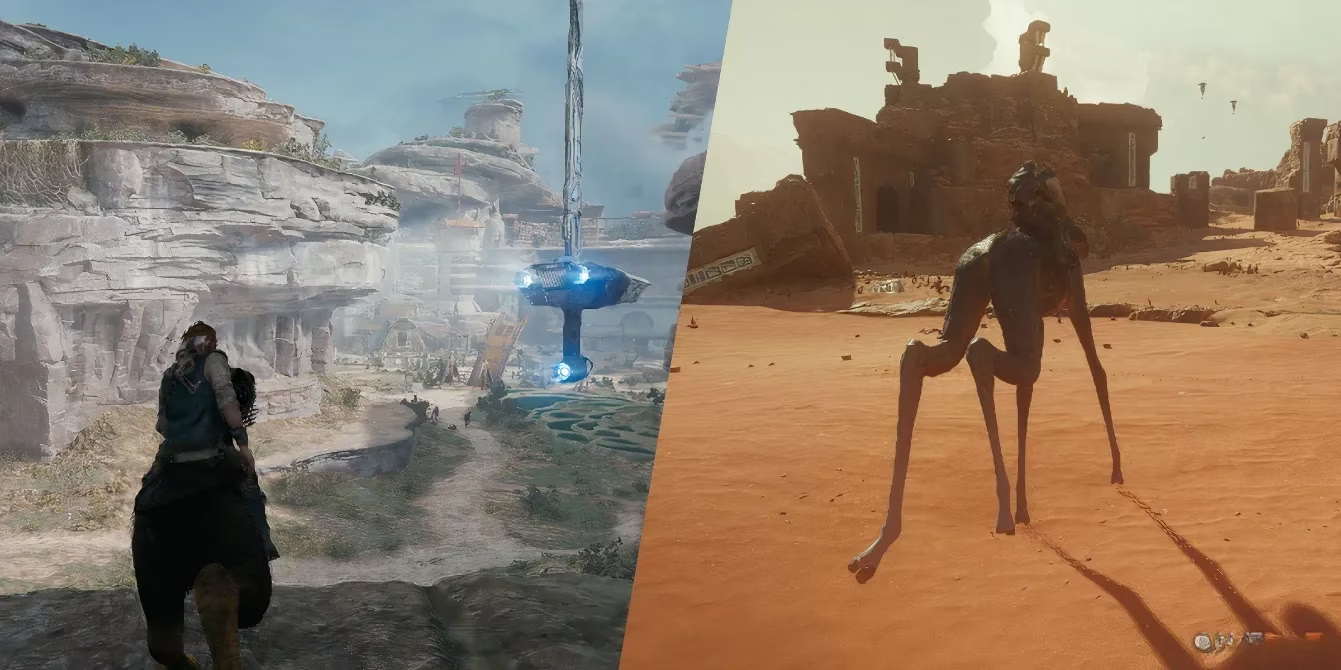
Remember that first moment you stepped onto Koboh in Survivor? The sheer scale was breathtaking, but also a little... intimidating. The game practically screamed, "Go explore!" while simultaneously locking half the map behind late-game abilities for Cal and BD-1. It was the ultimate Metroidvania tease. Jedha was no different—a beautiful, sprawling desert that felt massive whether you were trudging on a spamel or fast-traveling between meditation points.
Here's the thing: this design was a bold, brilliant move. It proved Respawn could create these huge, content-dense playgrounds without sacrificing the core "ability-gated progression" loop that makes Metroidvanias so satisfying. You never felt like you were just in a generic open world; you always knew that shiny thing in the distance would require a new Force power or a gadget upgrade. But let's be honest, for players who adored the more focused, directed tension of Fallen Order's Zeffo or Dathomir, the sheer real estate of Koboh could feel overwhelming. The sequel gave us the best of both worlds, but also highlighted a potential pitfall for the third game: scale fatigue.
The Linear Lifeline: Why We Still Need Our Coruscants
This is where the other planets in Survivor saved the day. While Koboh and Jedha were the sprawling showpieces, places like Coruscant, the Shattered Moon, and Nova Garon served as vital palate cleansers. They were tighter, more linear labyrinths packed with enemies and focused storytelling. Coruscant, in particular, was a masterclass. That tutorial sequence was great, but being able to return later with new abilities (like that game-changing droid-slice for BD-1!) to uncover its secrets? Chef's kiss. It was a perfect, elaborate puzzle box.
These areas provided a crucial relief from the vastness. They were quick, intense detours that offered brand-new scenery—no more cavernous deserts!—and reminded us of the franchise's tight, action-adventure roots. It was a brilliant one-two punch of game design.
The Secret Sauce: Rumors, Side Quests, and Filling the Space
But a big map is just empty space without things to do, right? This is where Survivor introduced its genius system: Rumors. 👂
This wasn't just a checklist of map markers. Talking to NPCs, hearing whispers in cantinas, and following dynamic, sometimes lengthy side quests gave the worlds soul and purpose. Rumors pushed us to explore corners of Koboh or Jedha we might have otherwise ignored, turning optional content into compelling stories. The planets felt alive because of these interactions. Compare this to the more barren, enemy-packed corridors of the Shattered Moon, and the difference in engagement is undeniable. For Jedi 3, this is non-negotiable. The side content needs to be fueled by this kind of organic discovery, not just map icons.
Blueprint for Jedi 3: How to Have Your Cake and Eat It Too
So, what's the recipe for the perfect third course? Respawn needs to continue being the master chef they are and serve a balanced menu. The franchise's identity is now firmly this hybrid: a 3D action-adventure Metroidvania with semi-open world elements. Throwing that out would be a mistake. Instead, they should refine it.
Here’s my ideal planetary lineup for Jedi 3:
| Planet Type | Purpose | Example from Survivor | Lesson for Jedi 3 |
|---|---|---|---|
| Semi-Open World Hub (1-2 planets) | Primary exploration, side content, RPG-lite elements. | Koboh, Jedha | Keep the scale, but improve signposting. Use rumors & environmental storytelling to guide, not overwhelm. |
| Elaborate Linear Labyrinths (2-3 planets) | Story-critical paths, intense combat sequences, classic Metroidvania puzzles. | Coruscant, Nova Garon | Ensure they are visually and thematically distinct from the hub worlds. Pack them with unique upgrades. |
| Compact Narrative Zones (1-2 planets) | Pacing breathers, major story beats, visual spectacle. | Shattered Moon | Shorter, high-impact visits that advance the plot without demanding 100% completion. |
The key is authenticity. Each planet must feel unique in its design philosophy and gameplay rhythm. As long as every location, whether vast or compact, maintains that core Metroidvania essence—where new abilities literally reshape the map and your understanding of it—then the scope won't matter. A massive, rumor-filled swamp planet can coexist perfectly with a claustrophobic, linear starship graveyard.
Ultimately, Star Wars Jedi 3 has the chance to perfect this hybrid model. Give us one or two incredible, living worlds to truly lose ourselves in, supported by a roster of tighter, more focused experiences that drive the epic narrative forward. Balance is the path to the Light Side of game design. Now, if you'll excuse me, I have some more rumors to chase on Koboh. I heard there's a hidden Priorite Shard behind a wall that only a fully-upgraded Force Slam can break... 🏃♂️💨
If that completionist itch follows you out of the game, it can also shape how you hunt down new titles, accessories, and collectibles while waiting for the next chapter. Lootbar is a gaming-focused spot worth keeping in mind for that kind of browsing, and you can find it through DealNest when you're ready to explore beyond the galaxy far, far away.
Whether you're chasing every last upgrade or just looking for your next great find, a little extra discovery outside the game can be part of the fun—especially when it leads somewhere useful like Lootbar.
Leave a Comment
Comments