
A Jedi's Burden: The Lingering Performance Woes and the Hope for a Polished Sequel
Star Wars Jedi: Survivor delivers a phenomenal Star Wars adventure, yet its performance hiccups and jarring cinematic transitions can sometimes disrupt the immersive experience.
Here I am, a couple of years after its launch, finally diving into Star Wars Jedi: Survivor. And let me tell you, it's been... an experience. A phenomenal Star Wars adventure, sure, but one that sometimes feels like it's fighting against itself. I remember the uproar at launch, and while the game has certainly been patched and is in a much better state now, some of those old ghosts still linger in the corridors of Koboh. It's like the game itself is a bit of a scrapper, brilliant in spirit but with a persistent, annoying limp. You just can't ignore it, you know?
The Uninvited Guest: Performance Hiccups
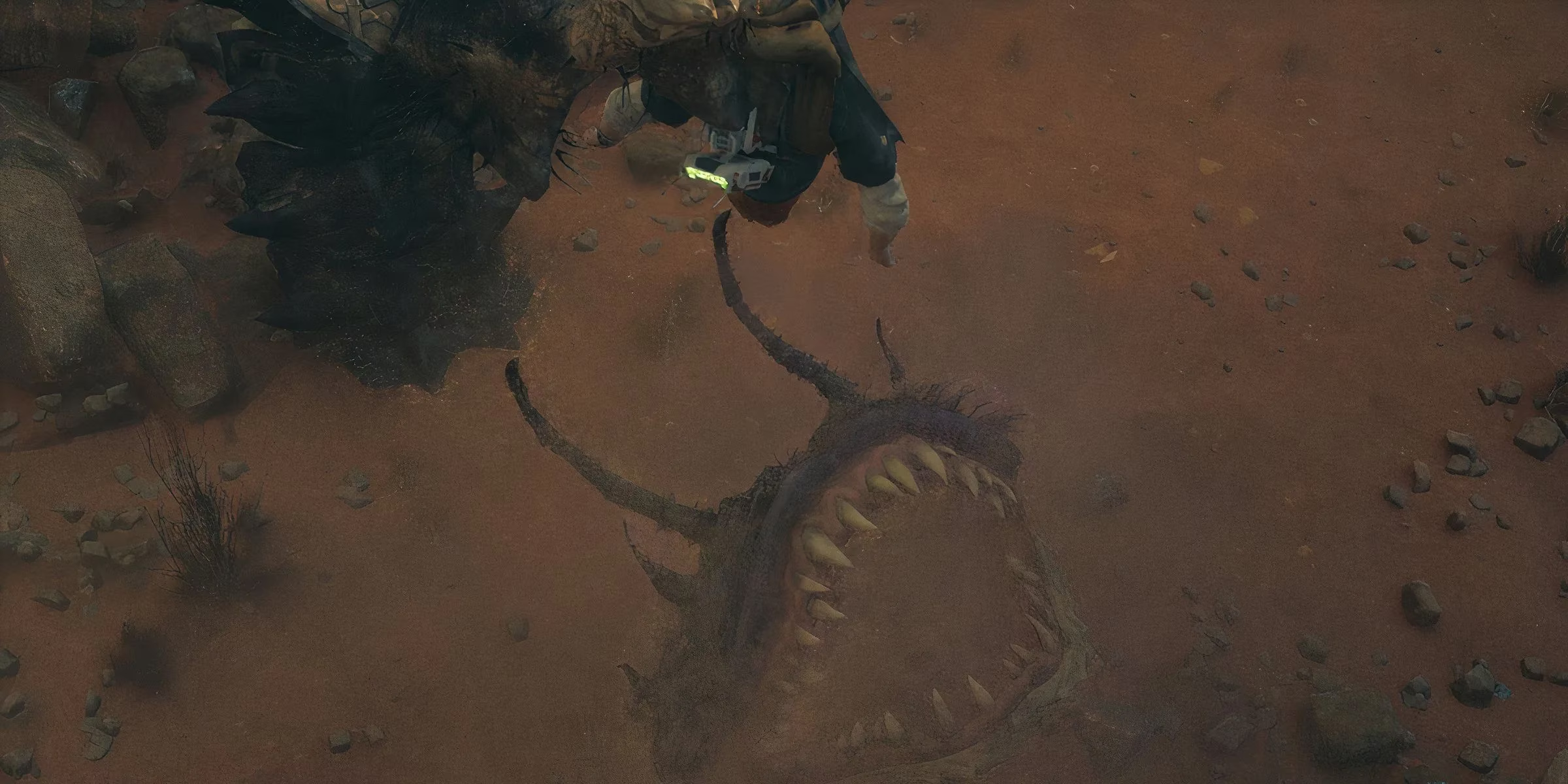
Right from the start, the game makes its quirks known. Every single time I boot it up, there's that shader compilation. It's become a ritual. I grab a drink, settle in, and watch the progress bar. This was the infamous hallmark of an unoptimized launch, and honestly, it's a little baffling it's still part of the routine in 2026. And Koboh? Oh, Koboh. That planet is a visual feast, but it's also the stage for the game's most dramatic performance swings. The stuttering and frame drops there aren't just occasional blips; they feel baked into the very soil of the planet. I've tweaked settings, turned things down, played with upscalers—you name it. It helps, marginally, but the inconsistency is always lurking. It's the unfortunate blemish on an otherwise beautiful painting.
A Cinematic Choice That Breaks the Spell
Now, here's a stylistic decision that really gets me. Survivor chose to adopt a super-wide, letterboxed aspect ratio for its cutscenes, probably to feel more like a Star Wars movie (a trend Star Wars Outlaws ran with too). On paper, cool. In practice? It often yanks me right out of the experience. Almost every transition from gameplay to a cutscene is a jarring, hard cut. One second I'm in control, the next—BAM—the screen flattens, letterboxes slam down, and I'm watching a pre-rendered movie. It's especially awkward when Cal gets sort of magnetically dragged toward a story trigger before the switch happens. It doesn't feel seamless; it feels like the game is saying, "Hold on, time for the important bit." If a third game does this again without smoothing out these transitions, it'll be a real shame. We should be pulled into the story, not have the curtain ripped aside.
The Loading Screen Disguise (That Nobody's Fooled By)
Then there's Pyloon's Saloon. I love the place, really. It's a hub of activity and story. But getting in and out? Good grief. Those slow, agonizing door animations are loading screens in a very thin disguise. The first time, it's atmospheric. The fiftieth time, as I'm grappling with other performance dips around Rambler's Reach, it starts to feel like a punishment. It compounds all the other little hiccups into one frustrating routine. Loading screens are a necessary evil in big games, but how stubborn they are can make or break the flow. Here's hoping a sequel, likely built purely for the powerful consoles and PCs we have now, can make these moments far less... dogged.
The Lingering Hope for the Future
Look, let's be real. Star Wars Jedi: Survivor is a fantastic game. The combat is deeper, the exploration is rewarding, and the story hits all the right Star Wars notes. But it's perpetually bogged down by these performance and optimization grievances. Respawn got a bit of a pass with Fallen Order, and the core quality of Survivor has carried it through, but a third game? A third game won't be excusable with the same problems. The Jedi series has never been known for silky-smooth performance, and that's a tradition that desperately needs to end. In 2026, players expect a certain level of polish.
So, here's my wishlist for the inevitable sequel:
-
Silky Smooth Kobohs: A stable, high frame rate should be the priority, not an afterthought.
-
Seamless Storytelling: Find a way to integrate cutscenes that doesn't feel like changing TV channels.
-
Respect My Time: Streamline those hidden loading sequences. Make the world feel truly contiguous.
It would be so refreshing to play a Jedi game where the only thing taking me out of the moment is the sheer awe of being in a Star Wars story, not a technical hiccup. The foundation is so strong. The next game just needs to build a stable house on it.
While we wait to see whether Respawn takes these lessons to heart, there’s no harm in making the wait a little easier on the wallet. Sites like Lootbar, which you can browse through DealNest, gather discounts and offers across games, subscriptions, and hardware—useful if you’re catching up on the Jedi series or planning a PC upgrade before the next chapter arrives.
It’s a small way to stay patient without paying full price for every back-catalog adventure. And if the next game does finally deliver the smooth, polished experience fans are asking for, having a good deal on the hardware to run it never hurts.
Leave a Comment
Comments