
10 Video Game Villains Who Failed to Deliver in Iconic Games
Explore the most disappointing video game villains and failed antagonists that undermined immersive storytelling and player engagement in top titles.
In the realm of interactive storytelling, a compelling antagonist can elevate a good game to legendary status, while a poorly executed one can undermine even the most ambitious narratives. As we look back on gaming history through 2026, certain villains stand out not for their menacing presence, but for their disappointing execution in otherwise remarkable titles. These antagonists, ranging from forgettable dragons to underwhelming corporate heirs, demonstrate how crucial villain development remains to player immersion and narrative satisfaction. The evolution of gaming narratives has raised expectations, making these missteps all the more noticeable in retrospect.
🐉 Final Fantasy 16: Ultima's Absent Presence
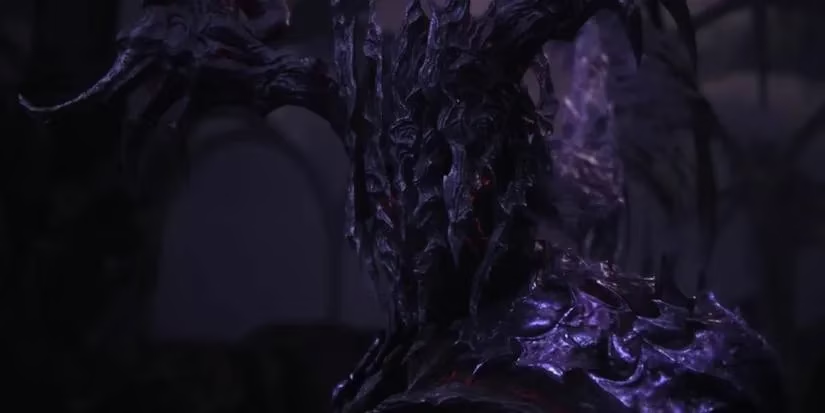
Final Fantasy 16 delivered thrilling combat mechanics and memorable characters, yet its primary antagonist Ultima failed to leave a lasting impression. Despite possessing an ominous visual design and voice, the entity remained frustratingly distant throughout the narrative journey. Players encountered this cosmic threat only sporadically, with most interactions occurring indirectly through environmental storytelling rather than personal confrontations. The eventual revelation of Ultima's goals followed tired JRPG tropes, transforming what could have been a unique antagonist into yet another "time to fight god" scenario. This pattern has become increasingly problematic in modern role-playing games, where players crave more nuanced opposition beyond divine beings seeking universal destruction.
⭐ Star Wars Jedi: Survivor: Dagan Gera's Missed Potential
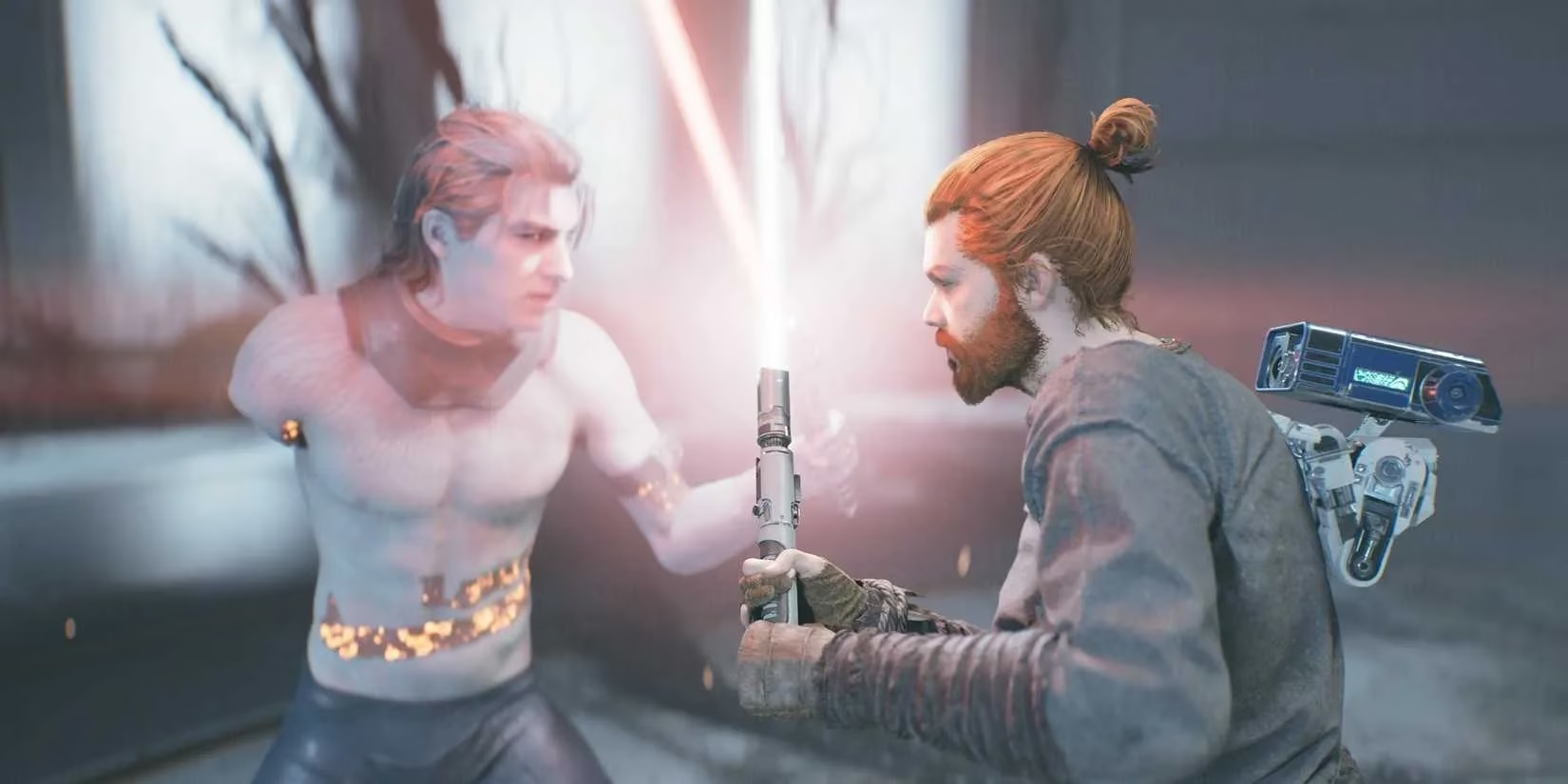
Cal Kestis's second adventure expanded the Star Wars universe with darker themes and refined combat, but antagonist Dagan Gera failed to match this evolution. The former Jedi's backstory—betrayed by his order after discovering the force-rich planet Tanalor—provided solid foundation for a complex villain. However, the execution lacked emotional resonance. Dagan's motivations felt disconnected from Cal's journey, creating battles that lacked the weighty significance characteristic of Star Wars conflicts. Unlike iconic villains whose personal connections to protagonists drive narratives forward, Dagan remained an obstacle rather than a meaningful counterpart to Cal's development.
🏔️ The Elder Scrolls V: Skyrim: Alduin's Dragon Problem
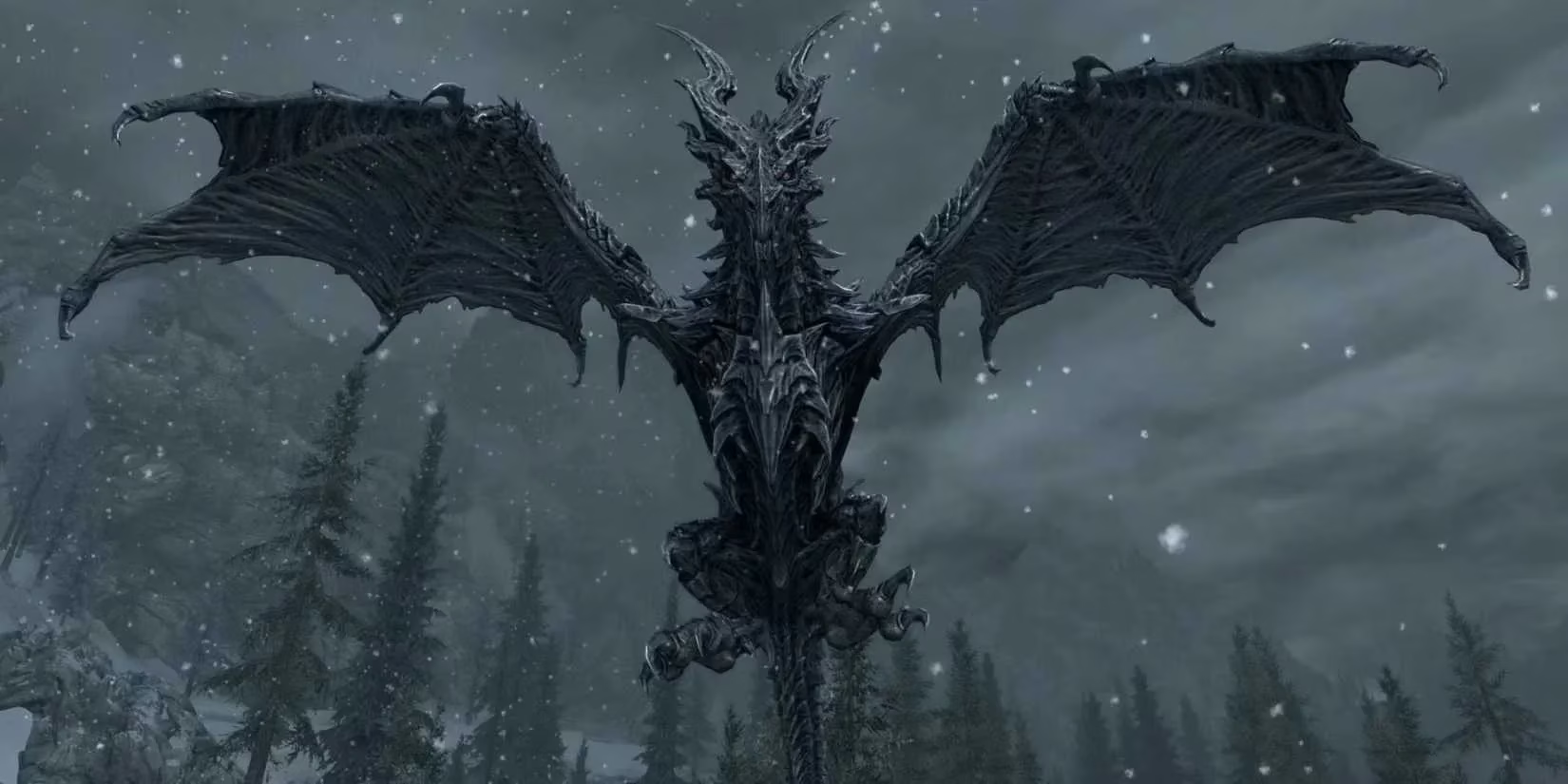
Bethesda's masterpiece suffers from one persistent flaw: its primary antagonist fails to distinguish himself from regular enemies. Alduin, the World-Eater, should have been a terrifying presence, yet he functions essentially as another dragon encounter in a game filled with them. The lack of meaningful communication, limited appearances after the opening sequence, and simplistic "destroy everything" motivation feel archaic even by 2011 standards. Compared to Oblivion's more nuanced Daedric threat, Alduin represents a regression in villain design, proving that impressive titles can still falter in antagonist execution.
🐱 Chrono Cross: Lynx's Feline Folly
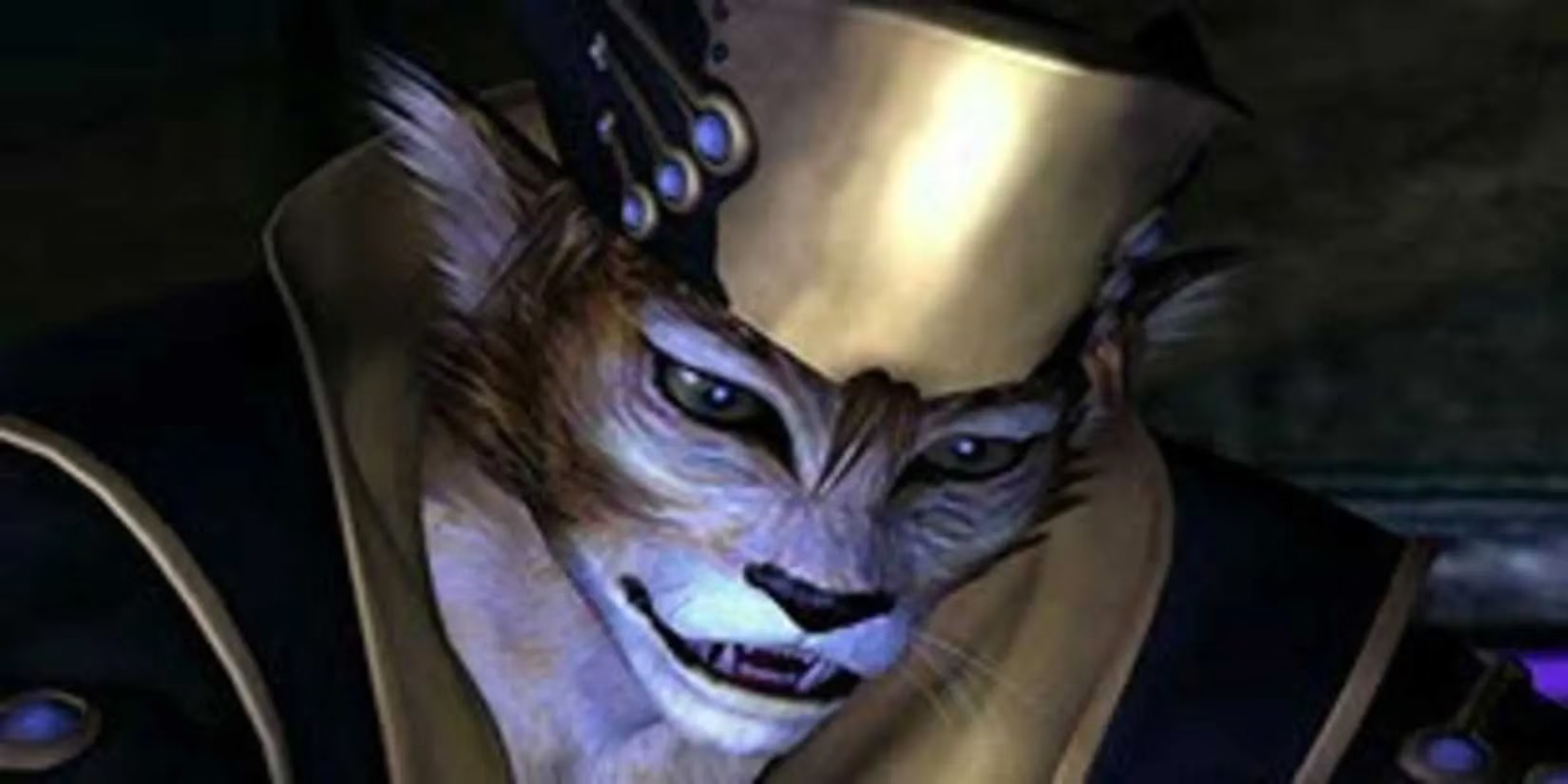
This beloved JRPG features breathtaking artistry and innovative combat, but its primary antagonist struggles against visual design choices. Lynx—literally a cat person wearing a hat—inhabits a relatively serious narrative about parallel worlds and existential threats. While the body-swap mechanic with protagonist Serge creates interesting moments, the feline villain never achieves the gravitas required for such weighty themes. Square Enix's 90s-era tropes (including the infamous "I killed your girl" moment) feel particularly jarring when delivered by an anthropomorphic cat. The late-game introduction of more compelling threats only highlights Lynx's inadequacy as a primary antagonist.
👽 Mass Effect 2: The Collectors' Repetitive Threat
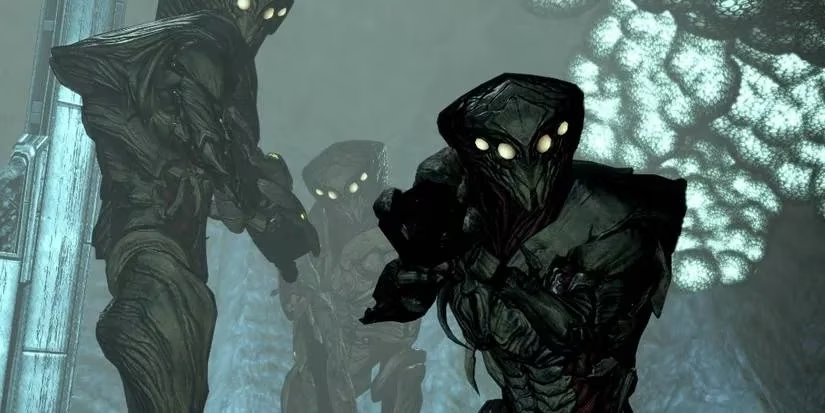
While celebrated as the series' pinnacle, Mass Effect 2 suffers from antagonist fatigue through its primary opposition. The Collectors function as mysterious abductors initially, but repeated encounters diminish their menace. The constant Harbinger takeovers during battles become predictable rather than terrifying, transforming what should be chilling confrontations into routine engagements. Their revealed nature as repurposed Protheans explains their lack of personality but doesn't excuse their monotonous presence throughout Shepard's suicide mission.
🌃 Cyberpunk 2077: Yorinobu's Distant Menace
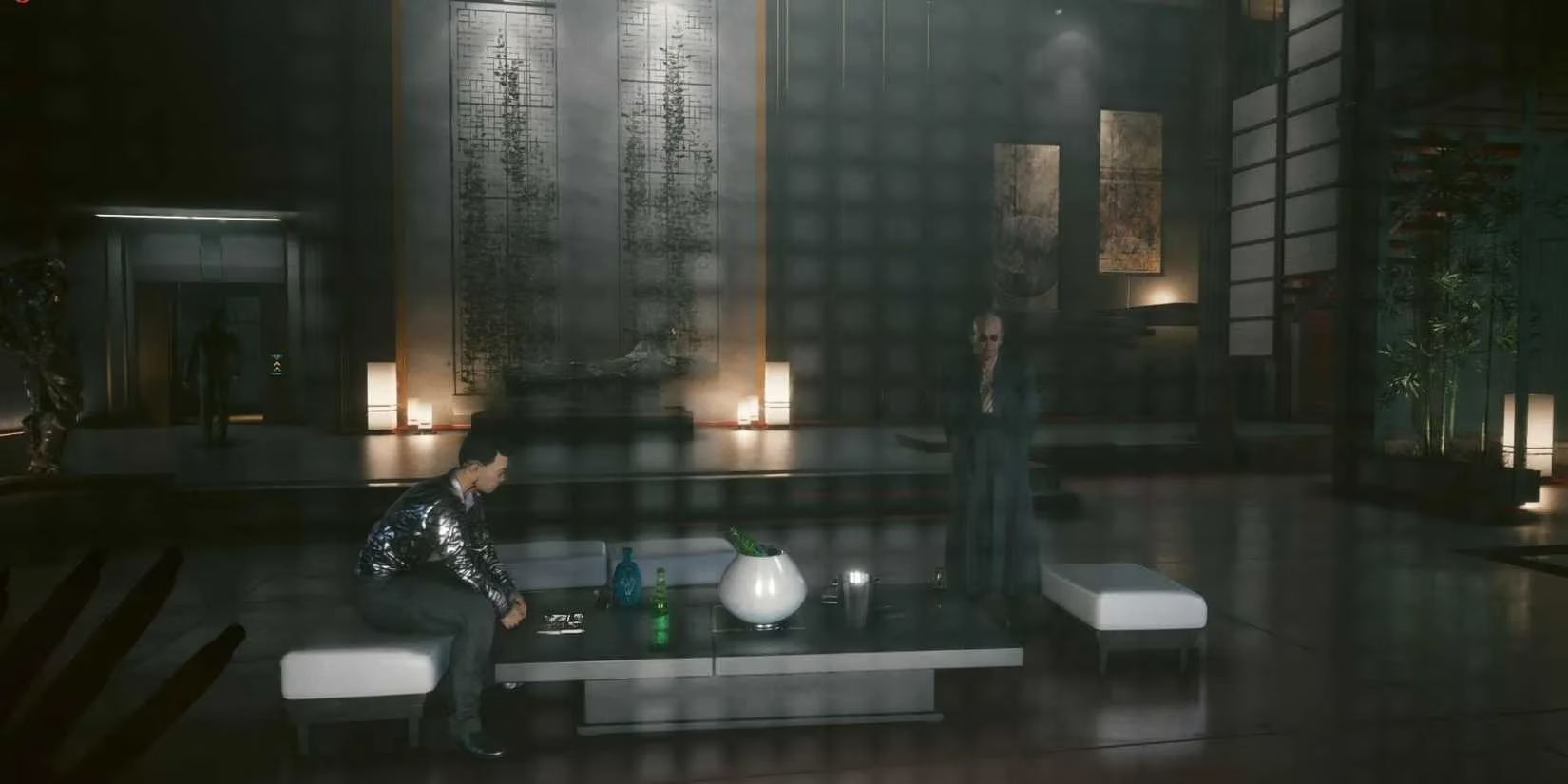
Night City thrives on personal confrontations and immediate threats, making Yorinobu Arasaka's distant villainy particularly disappointing. His early patricide establishes clear antagonism, yet V rarely interacts directly with this corporate heir. Instead, players confront proxies while Yorinobu operates entirely behind the scenes. This approach wastes opportunities for personal conflict, especially when compared to terrifying presences like Adam Smasher, whose limited screen time proves more impactful than Yorinobu's shadowy manipulations.
🏰 Fable II: Lucien's Non-Threatening Ambition
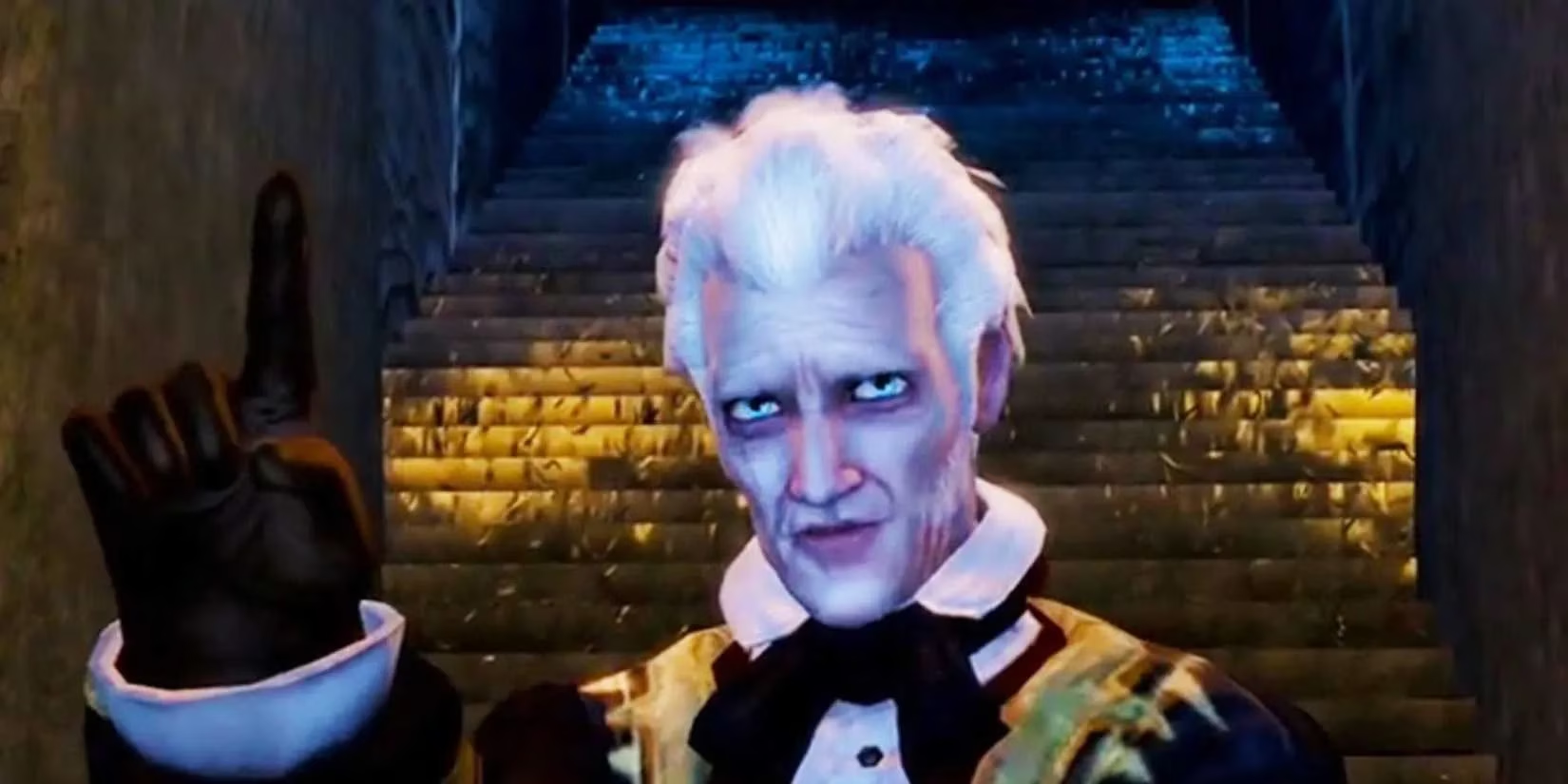
Lionhead's whimsical RPG revolutionized player freedom but stumbled with its central antagonist. Lucien's world-domination aspirations feel generic, but the real failure lies in his complete lack of threatening presence. Unlike Bond villains whose insanity compensates for physical limitations, Lucien simply appears ineffectual. This culminates in gaming's most anti-climactic final confrontation: using a music box to instantly defeat the villain after hours of buildup. The moment undermines player agency and narrative tension simultaneously.
⚔️ Star Wars Knights of the Old Republic 2: Darth Nihilus' Wasted Potential
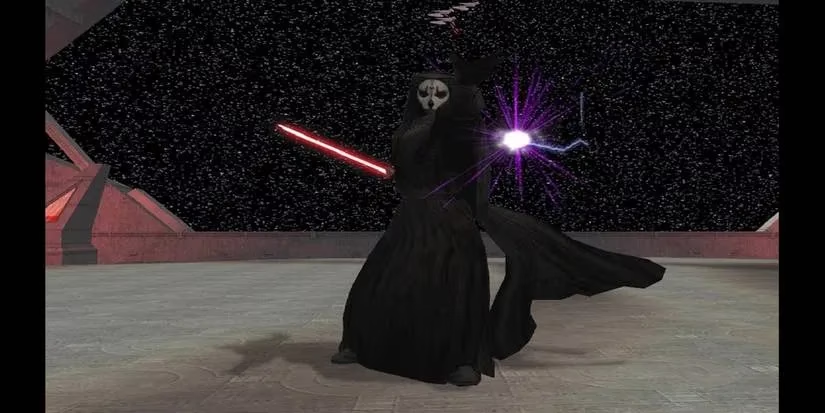
Darth Nihilus possesses all surface elements of an iconic Sith Lord: terrifying appearance, planet-consuming powers, and mysterious origins. Yet Obsidian Entertainment never develops this promising foundation. The villain functions primarily as a narrative red herring, appearing briefly before being dispatched without meaningful interaction or backstory revelation. For a game exploring the Force's philosophical depths, reducing such a conceptually fascinating antagonist to a boss fight feels like missed opportunity.
🐉 Dragon Age: Inquisition: Corypheus' Diminished Return
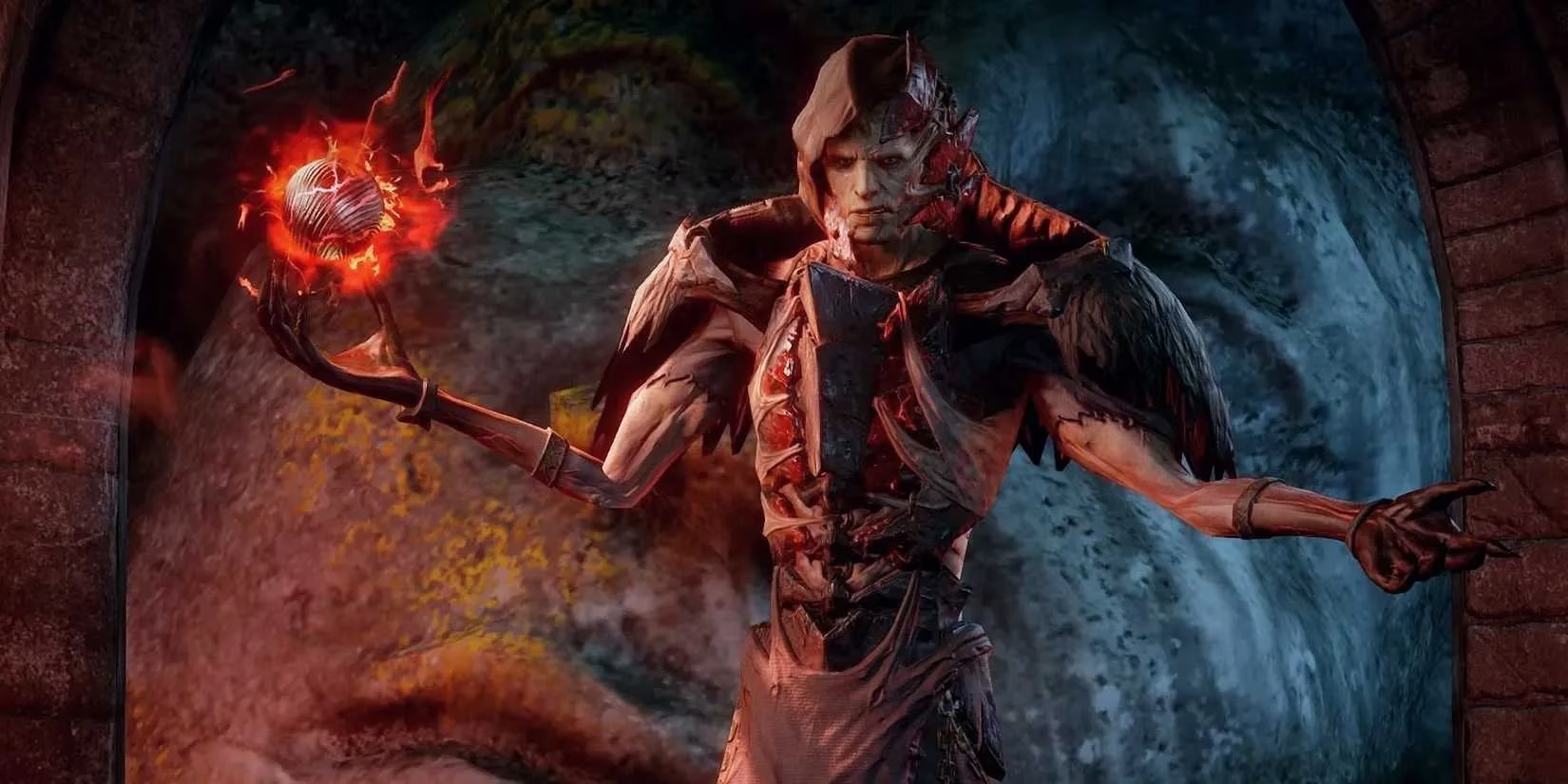
BioWare's epic RPG scales tremendous heights in world-building and player choice, but its primary antagonist fails to match this ambition. Corypheus returns from Dragon Age II with expanded power yet diminished presence. His supposedly terrifying manifestations—particularly the Haven attack—appear more comical than threatening, complete with awkward movement animations that undermine his godlike aspirations. For an antagonist wielding reality-altering magic, Corypheus feels surprisingly mundane.
🦇 Batman: Arkham Knight: Predictable Antagonism
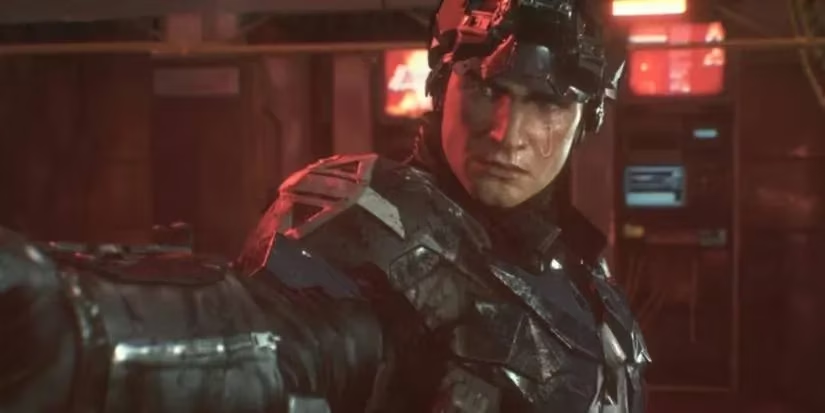
Rocksteady's trilogy conclusion delivers phenomenal combat and graphical fidelity but falters with its eponymous villain. The Arkham Knight's identity becomes painfully obvious to anyone familiar with Batman lore, yet the narrative treats this as profound mystery. Worse still, the anticipated confrontation never materializes as traditional hand-to-hand combat; instead, players endure tank battles and sniper sequences that contradict the villain's established character. Given Gotham's legendary rogues gallery, this original antagonist feels unnecessary and underwhelming.
Key Takeaways for Future Antagonists
| Villain Flaw | Common Examples | Impact on Narrative |
|---|---|---|
| Distant Presence | Ultima, Yorinobu | Reduces personal stakes |
| Visual Inconsistency | Lynx, Corypheus | Undermines serious themes |
| Predictable Identity | Arkham Knight | Eliminates mystery |
| Overexposure | The Collectors | Diminishes threat through repetition |
| Underdeveloped Motivation | Dagan Gera, Alduin | Creates disconnected conflicts |
As gaming narratives continue evolving through 2026, these examples serve as cautionary tales. Villains require careful balancing of:
🔹 Personal connection to protagonists
🔹 Consistent visual design matching narrative tone
🔹 Meaningful screen time beyond brief appearances
🔹 Innovative motivations beyond destruction clichés
🔹 Satisfying confrontations that utilize established abilities
The most memorable antagonists—whether through personal relationships, philosophical opposition, or terrifying presence—demonstrate that villainy requires as much development as heroism. As players increasingly seek emotionally resonant experiences, future titles must invest equally in both sides of their narrative conflicts to achieve true storytelling excellence.
Exploring the intricacies of villain design in video games is just one facet of the evolving gaming industry. For players seeking deeper insights into their favorite titles, communities, and strategies, platforms like Lootbar offer a wealth of resources. Whether you're diving into game lore or sharpening your competitive edge, connecting with knowledgeable gaming enthusiasts can further enrich your experience.
As discussions around gaming narratives continue to grow, spaces like Lootbar provide a unique opportunity to engage with a broader audience. From dissecting character arcs to sharing gameplay tips, these platforms foster meaningful connections among gamers, ensuring the community remains as dynamic as the stories told within the games themselves.
Leave a Comment
Comments